Tips for Expanding Home Use of Tinting in Summer
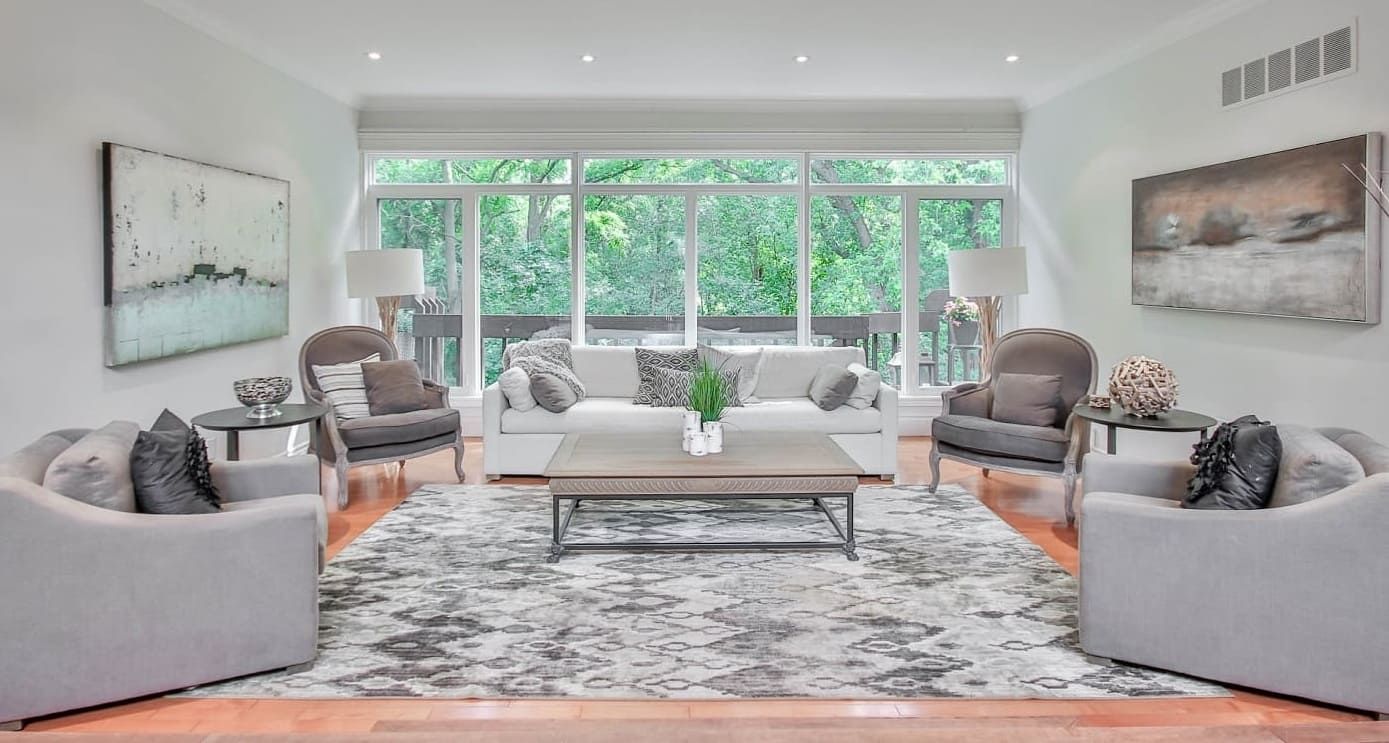
Long, sunny days can make a home feel bright and cheery, but too much sun can also bring things nobody wants indoors. Hot rooms, faded fabrics, or annoying glare on screens are a few of the common frustrations we hear about once summer kicks in. That’s often when people start thinking about house window tinting as a way to make things more comfortable without cutting off the view.
Tinting is a quiet improvement. It works in the background and doesn’t change how a room looks. What it does do is help manage the way light and heat move through windows. It can turn an overheated space into one that’s easier to relax in. And with the right approach, it can work well in more places than most homeowners realize. Here are a few smart ways to get more from it this summer.
Letting Light In Without the Heat
We all want natural light in the house, but it’s easy to forget how quickly sunlight turns into indoor heat. This is especially true for windows that face west or south. These spots can take in hours of direct sun in the late morning and afternoon, which means rooms on those sides often feel much warmer.
Instead of closing blinds and missing the daylight, tinted glass can help block a good portion of that heat. We still get the light we want, but it feels softer. Indoor air stays a little more balanced, especially when air conditioning is already working overtime.
Here are a few areas where heat control can really make a difference:
- Bedrooms that stay too warm after lunch
- Playrooms or dens with large sunny windows
- Kitchen eat-in areas where the sun beats down through breakfast and lunch
Starting with the rooms we use the most during daytime hours is usually the best move. They tend to show gains right away once tint is in place.
Reducing Glare in Everyday Spaces
Even on cooler days, glare can be a headache. It often shows up in ways we don’t expect. Reflections on a TV screen, device glare when working at the kitchen table, or uncomfortable light patches on the living room rug. These are all signs that brightness isn’t quite balanced.
Tinting doesn’t block the sun completely, but it does help tone things down. The light that comes through the glass has a softer feel. This makes it easier to watch a movie, check a screen, or have a peaceful phone call without squinting or shifting constantly.
If glare is a daily frustration, we like to look at areas like:
- Living rooms that double as family media zones
- Home offices that face bright windows
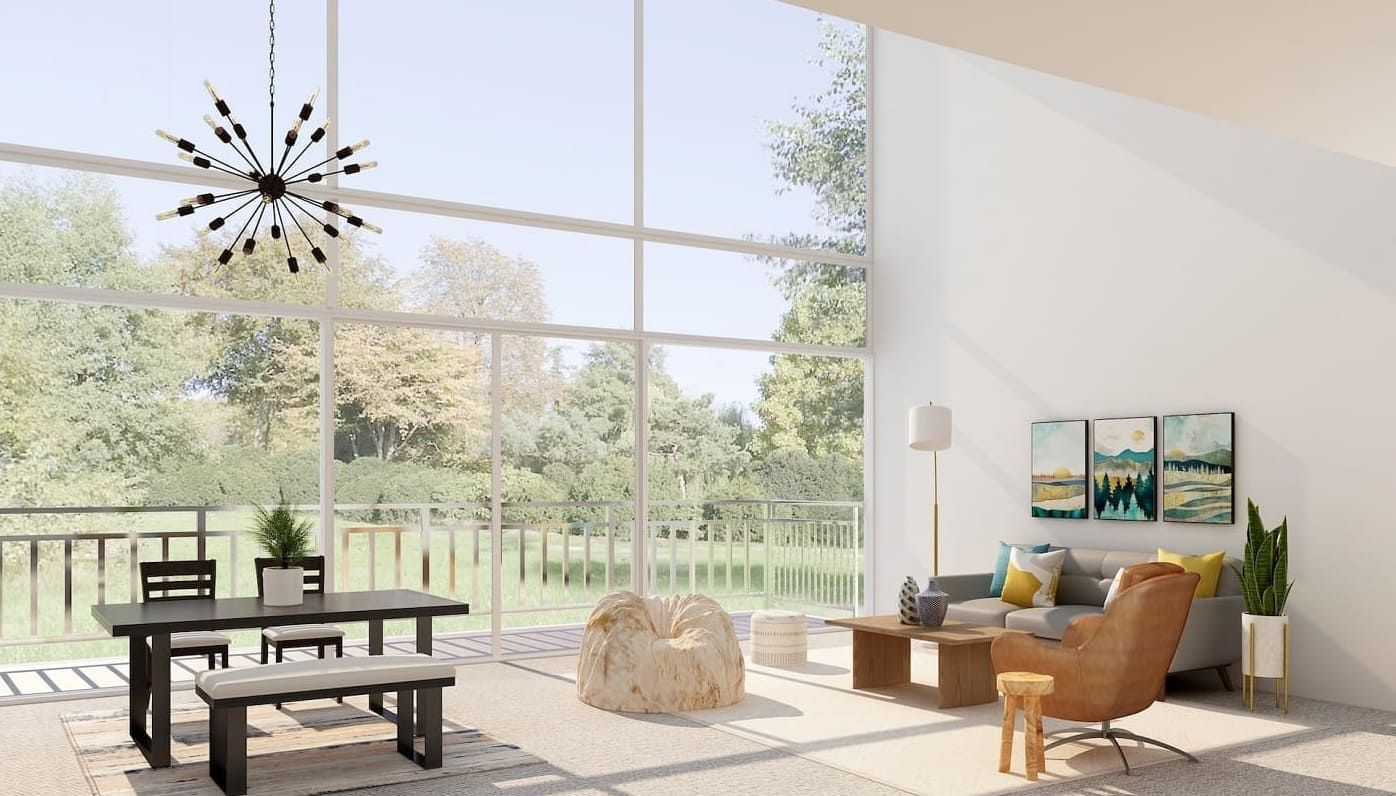
- Open-concept kitchens with window walls
- TV rooms or lofts on upper floors where sun pours in
We don’t always notice glare until we’ve spent time in the same room at the same hour every day. Once you know where it hits hardest, it’s easy to pick which windows need the extra help.
Protecting Floors and Furniture from Summer Sun
Sunlight might be invisible, but the damage it causes indoors is easy to spot over time. Hardwood flooring can fade. Rug patterns lose sharpness. Couch arms or fabric near windows can look washed out. Even artwork or shelving may show signs of warmth-related change.
What’s happening is UV exposure. It comes in with the sun, even on cloudy days, and causes slow damage to anything that sits near exposed glass. House window tinting is one way to cut that down without changing the view. It helps block a portion of those rays before they reach the materials inside the home.
Certain areas usually benefit first:
- Primary bedrooms with good morning light
- Family room windows with sofas directly across from them
- Dining rooms or front sitting rooms with scatter rugs or patterned curtains
If we spot furniture or flooring that looks lighter near windows than in other spots, that’s a clear sign the area might need window protection.
Expanding Tint to Unexpected Areas
It’s not just large front windows that deal with heavy sunshine. Plenty of smaller windows and door panels get full sun for hours, especially in the summer. These might include glass around kitchen entryways, garage doors, or side porches that face east or west.
Sunrooms or bonus spaces often get hit from multiple angles, making them tricky to cool evenly. Hallway windows or attic dormers may seem small, but they still bring in heat. These spots are easy to overlook until the temperature inside starts climbing or the floors nearby feel warm underfoot.
We’ve seen good results from focusing on zones like these:
- Patio doors that stay bright all afternoon
- Garage workspace windows that heat up mid-morning
- Basement or guest room windows that catch long stretches of sun
- Stairwell or hallway windows that warm up during peak sunlight
Adding tint to just a few of these surprising hot spots can make a noticeable difference in how the whole house feels from morning to evening.
Making Summer More Comfortable at Home
Some summer issues start small, like opening the blinds and finding the floor too hot for bare feet. Others creep in slowly, like noticing the living room always feels warmer than the kitchen. These are the types of clues that windows might need help handling the season.
Using tint helps us enjoy the light while dialing down the things that make summer feel harder indoors. It’s a simple shift that doesn’t change how the room looks but changes everything about how it feels. We can read near a window comfortably. We can keep furniture from aging before its time. We can enjoy the view without sitting in a heated spotlight.
By picking the most-used spaces and the rooms that hold heat the longest, we make meaningful changes without major projects. Big window or small corner, tinting is one of those small upgrades that makes summer feel easier, one pane at a time.
At
Solarworks Glass Tinting, we help homeowners stay comfortable through long, sunny seasons by making small changes that bring big indoor relief. When parts of the home feel too warm or the furnishings start to show signs of wear, adding the right kind of tint can be a smart fix. If you’re thinking about reducing indoor heat, glare, or fading this summer, our
house window tinting options offer quiet upgrades that work without changing how your home looks. We’re here to guide you through which spaces might benefit most,
so give us a call to discuss your next steps.