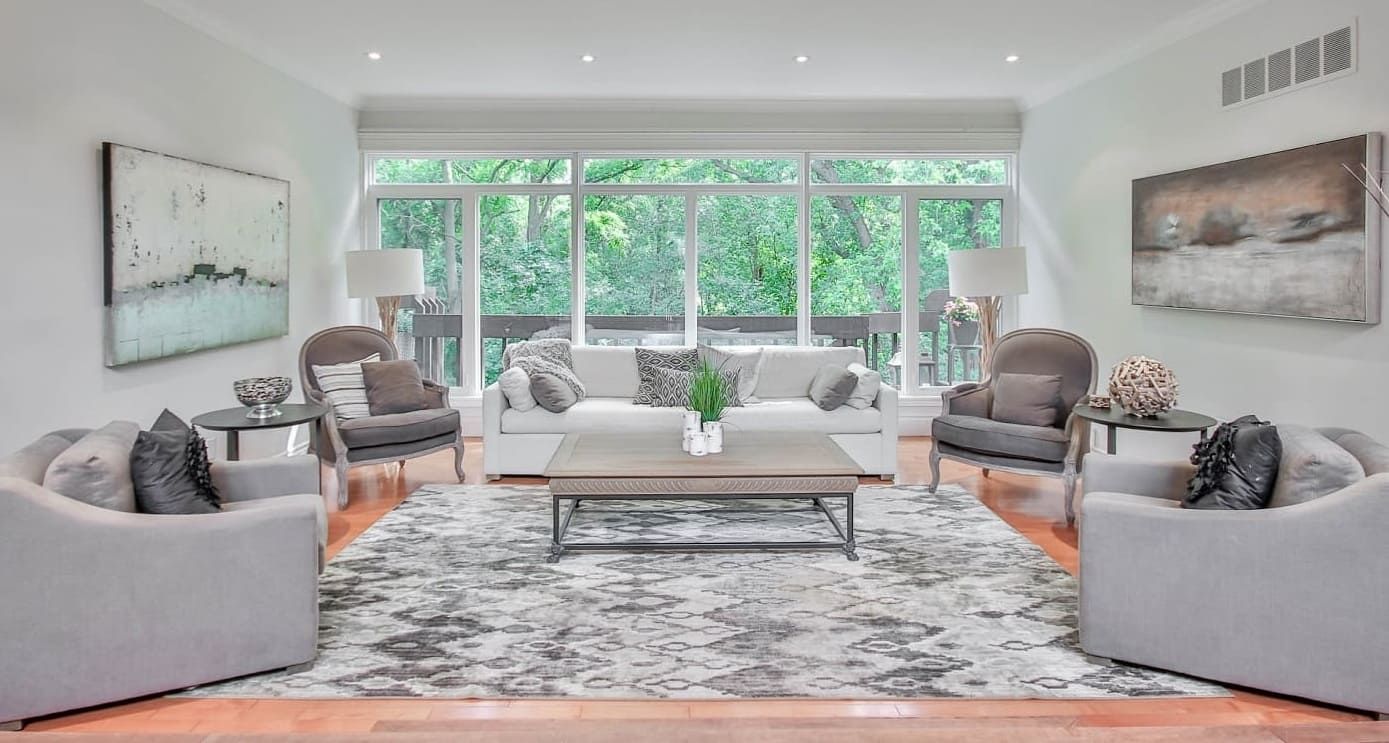
Heat Control Window Film for Atlanta Homes: Best Placement and Orientation
Keep Every Room Cooler and More Comfortable
Heat in the Atlanta area does not quit when the calendar says summer is over. Warm, sunny afternoons can hang on well into September, so bedrooms, sunrooms, and home offices stay hot and sticky, and the AC keeps running. Some rooms feel fine in the morning but turn into hotspots by late day, depending on which way the windows face.
Heat control window film gives you a simple way to reduce that heat and glare without making your home feel dark or closed in. The right film can cut solar heat, reduce glare on screens, block UV rays that fade furniture, and still keep your views and natural daylight.
In this guide, we will walk, room by room, through common trouble spots in Atlanta homes and talk about how window direction matters. We will also cover how heat control window film works so you can feel confident when you talk with a professional about options for your own windows.
How Heat Control Window Film Works in Atlanta’s Climate
Heat control film is a thin layer that bonds to the inside surface of your glass. Modern films are designed to:
- Reject a large part of the sun’s infrared heat
- Block most UV rays that damage skin and interiors
- Control how much visible light passes through the glass
In simple terms, the film helps keep heat outside, lets in useful daylight, and filters out the harsh parts of the sun. That balance matters in Atlanta, where we deal with:
- Strong sun that beats down most of the year
- Sticky humidity that makes rooms feel warmer than the thermostat reading
- Heavy AC use, which can lead to hot and cold spots from room to room
You may hear a few key terms when you talk with a window film expert:
- TSER (Total Solar Energy Rejected): How much of the sun’s total energy, including heat, the film can keep out. A higher TSER means better heat control.
- Visible Light Transmission (VLT): How light or dark the film looks. A higher number means more natural light passes through.
- UV Rejection: How much UV the film blocks. Good films are designed to keep almost all UV out.
- Glare Reduction: How much the film cuts down on brightness that makes you squint or strains your eyes.
The right mix of these features will change from room to room and window to window.
Bedroom Comfort All Year
Bedrooms should feel calm and cool, not hot and bright. In Atlanta homes, common bedroom issues include:
- Hot, stuffy rooms at night, especially upstairs
- Early morning glare that wakes you up too soon
- Fading of bedding, rugs, and wood floors from sun exposure
- Privacy worries in street-facing or closely spaced homes
For east-facing bedrooms that get strong morning sun, we usually suggest a film that:
- Focuses on glare control so early sun is softer
- Has solid heat rejection to keep the room from heating up fast
- Keeps a moderate VLT so the space still feels bright and gentle
For west-facing bedrooms that bake in late afternoon and evening:
- Choose stronger heat control so the room is cooler by bedtime
- Look for good glare reduction to soften low-angle sun
- A slightly lower VLT is often helpful here, since that sun is intense
Privacy is another factor:
- Street-facing or neighbor-facing rooms may benefit from a slightly darker or mildly reflective film, which can improve daytime privacy without needing heavy curtains.
- Backyard or second-story bedrooms usually work well with lighter, low-reflectivity films that keep views open while still stopping heat and UV.
Sunrooms That Stay Bright Without Becoming Saunas
Sunrooms are meant to feel open and connected to the yard, but in our area they can quickly turn into the hottest room in the house. Large glass areas, multiple directions of sun, and less insulation all add up to uncomfortable temperatures.
Heat control window film can make a big difference here. For most Atlanta sunrooms, it helps to choose higher-performance films that:
- Reject a strong amount of infrared heat
- Block UV to protect furniture, rugs, and floors
- Still allow plenty of visible light so the room does not feel like a cave
You can think about sunroom films in two broad groups:
- Clear or very light films: Good if you love a wide-open view and only need moderate glare control. They keep the space bright and can still cut a lot of heat and UV.
- Slightly tinted films: Helpful if your sunroom faces south or west and gets strong sun. The light tint softens brightness, cuts more glare on phones and tablets, and can make the room much more usable in the hottest parts of the day.
The goal is to enjoy your yard, plants, and sky without dreading the temperature every time you step into the room.
Home Offices with Less Glare and More Productivity
With more people working from home, window comfort in a home office matters a lot. Common problems include:
- Glare on computer monitors that makes it hard to see clearly
- Afternoon hot spots that make you adjust the thermostat
- Backlighting from windows that makes video calls look washed out
Window direction plays a big role:
- North-facing home offices: These windows get softer, indirect light, so heat is usually less of a problem. A lighter film that focuses on gentle glare control and strong UV blocking is often enough to make screens easier to see and protect furnishings.
- South-facing offices: These see sunlight for most of the day. A high-performance heat control film with good VLT can reduce heat buildup, calm the light, and keep the room feeling bright but stable.
- West-facing offices: Afternoon sun can make these spaces nearly unusable. Strong heat rejection and glare reduction are key here, often with a slightly lower VLT to manage that low-angle light.
With the right film, monitors are easier on the eyes, the temperature feels more even, and the background behind you on video calls looks clean instead of blown out by bright windows.
Choosing Films by Window Orientation for Maximum Comfort
If you stand in each room and notice which windows feel hottest or brightest, you will start to see a pattern. Window orientation is a simple but powerful guide:
- North-facing windows: These get the least direct sun. They usually need moderate glare control and strong UV protection, so clear or lightly tinted films are often a good match.
- East-facing windows: Morning sun can be sharp but does not last all day. In bedrooms and offices, it makes sense to choose a film with good glare reduction and decent heat rejection while still letting in pleasant morning light.
- West-facing windows: These see intense, late-day sun that can overheat rooms and create strong glare. Stronger heat control and more noticeable glare reduction help keep spaces comfortable during the hottest hours.
- South-facing windows: These get long hours of sun in Atlanta. High-performance heat control films that still allow a fair amount of visible light can strike a good balance so rooms feel bright without the extra heat load.
Heat control window film works best when it is planned as a whole-home solution, with film types and shades adjusted to each exposure instead of using one single film everywhere.
Seasonal Timing and Professional Installation Benefits
Many Atlanta homeowners start thinking about comfort upgrades as late summer eases into fall. This is a smart time to take care of window film because:
- Weather is milder, so rooms are comfortable during installation
- Schedules are often more flexible than peak summer
- Your home is ready before the next warm season kicks in again
Professional installation brings several advantages:
- Guidance on film choices for each room and window direction
- Clean, precise application without bubbles or gaps
- Access to product warranties and support
Heat control film also works well alongside other upgrades like energy-efficient windows, blinds, shades, or drapes. A local installer who works across Roswell and the North Metro Atlanta area will know how the sun typically moves across homes in your neighborhood and can suggest a plan that matches the way you actually live in your spaces.
Lower Your Home’s Heat and Glare Starting This Week
If you are ready to make your rooms more comfortable and energy efficient, our team at Solarworks Glass Tinting is here to help you choose the ideal
heat control window film for your home. We will walk you through options, explain performance differences, and recommend the best match for your windows and lifestyle. To schedule a consultation or request a quote, simply
contact us and we will follow up promptly.