Understanding How Tinted Windows Impact HVAC Use

When the seasons begin to shift, comfort at home can start to feel a little unpredictable. In North Georgia, early spring often means cool mornings, warm afternoons, and plenty of sun coming through the windows. Those swings in temperature can catch your indoor spaces off guard.
We start noticing rooms that feel too hot halfway through the day or spots near windows that stay colder than the rest. Air conditioning clicks on, then a few hours later, the heat kicks in. It can be frustrating when your HVAC system seems to work harder than necessary just to keep a steady temperature.
That is where house window tinting can make a big impact. It helps reduce the strain on indoor climate control by filtering sunlight before it causes temperature spikes. By managing heat and brightness more smoothly, tinted glass helps keep comfort levels more stable throughout the day.
How Sunlight Impacts Indoor Temperatures
Sunlight plays a big part in how our homes feel from one room to the next. South- and west-facing windows get the most sun during the warmer hours of the day. That natural light might feel welcome at first, but over time, it heats up rooms quickly.
You might start to notice signs like these:
- Certain rooms always feel stuffy or warmer, especially in the afternoon
- Thermostats seem to trigger the AC more often, even when the weather outside feels mild
- Spaces with lots of windows heat up faster, especially if there are no curtains or shades
It is easy to overlook how much heat sunlight brings in. We enjoy the brightness and open views, but the warmth that tags along can make indoor comfort feel uneven. When the HVAC system has to fight that sun-driven heat every day, it affects how well it works and how often it runs.
What House Window Tinting Actually Does
Window tinting works by adding a thin film to your glass that helps soften sunlight. It does not block the view or take away all the natural light. Instead, it filters out some of the heat and brightness before they fill the room.
This small change can mean big benefits, like:
- Softer, more comfortable light that is easier on the eyes
- Reduced glare on screens and surfaces, especially near windows
- Less fading on furniture, rugs, and flooring over time
A common worry is that tinting will make a room feel too dark. That is not how it works. The goal is to find a balance where light still comes in, but without the extra heat and glare. The result feels more natural and even across the space.
The Link Between Tinting and HVAC Use
Once sunlight is filtered more gently, indoor temperatures stay more consistent. That means HVAC systems do not need to turn on as frequently or run as long to make rooms feel comfortable.
Here is where the connection becomes clear:
- Tinted windows help block outside heat before it gets absorbed by walls, floors, and furniture
- Indoor air stays cooler for longer, which slows the rate that AC units need to respond
- Heating and cooling remain steadier rather than stopping and starting all day
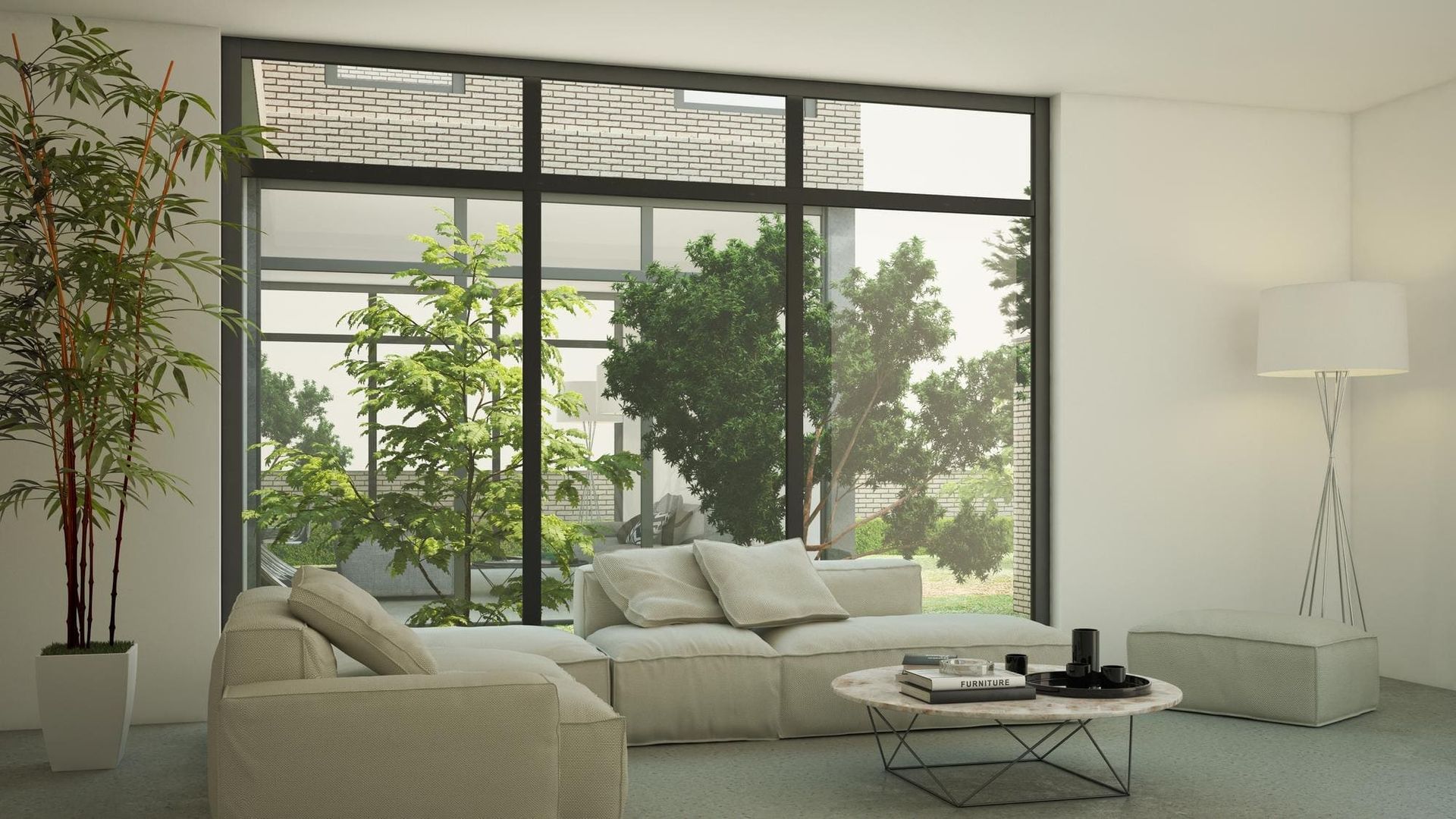
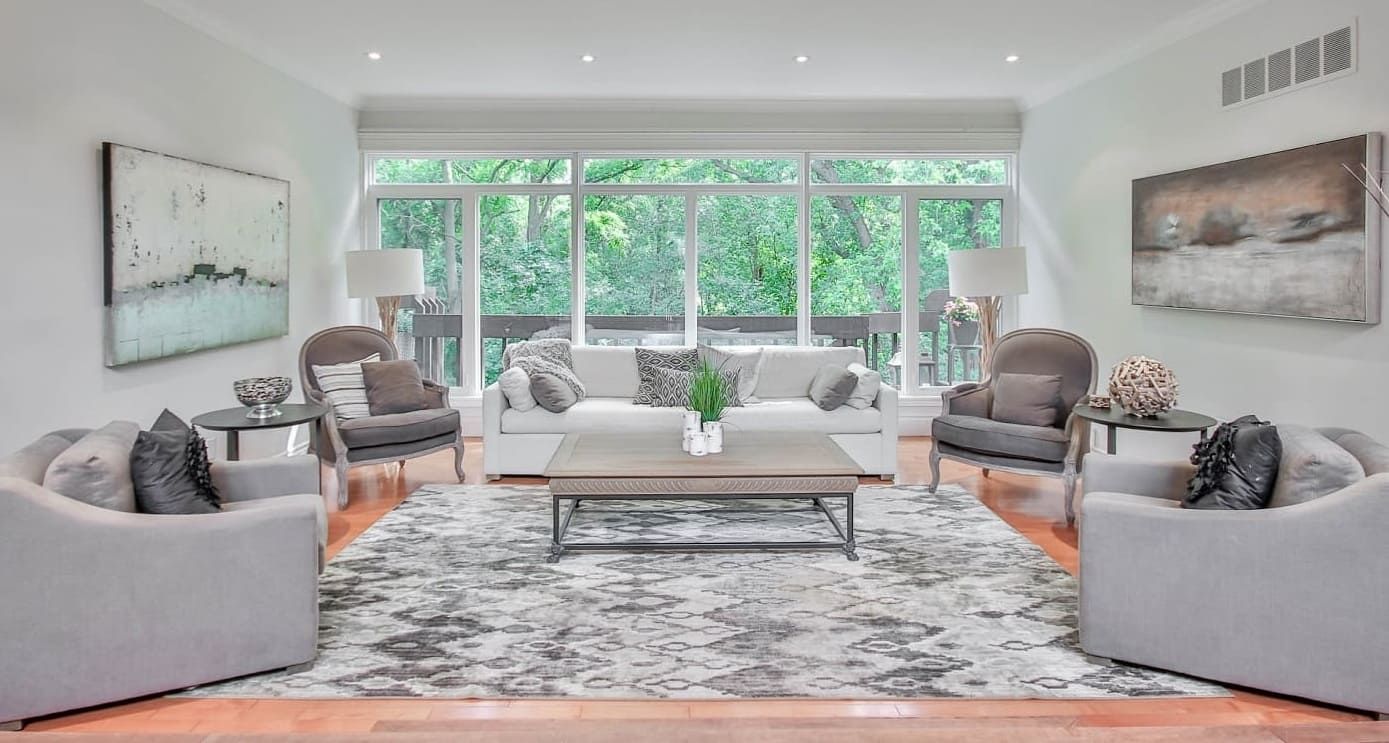
Some of the most noticeable examples happen in rooms with a lot of glass. Think of sunrooms, patio doors, or big picture windows. Without tinting, those areas might get so warm they are hard to use during the brightest part of the day. With proper window film, those same spots can stay usable and pleasant, without the HVAC system overworking.
Spring Is the Right Time to Make the Switch
Right now in North Georgia, temperatures haven’t hit their summer peak yet, but the signs are already showing. The sun is getting higher, days are growing longer, and houses are beginning to warm up quickly in the afternoons.
This season is a smart time to take control. Getting ahead of the summer heat means fewer sudden changes in indoor temperatures later on. When comfort levels stay more even from morning to evening, you notice less of that constant adjusting, whether on your thermostat or by opening windows and turning on fans.
By acting while it is still mild outside, you can ease into the warmer season knowing your home is already set up for smoother indoor comfort.
A Smarter Home Starts with Better Light Control
We all want homes that feel peaceful, no matter what the weather outside is doing. But sunlight can throw things off balance quickly. One bright window can raise temperatures, trigger more HVAC use, and make certain rooms harder to enjoy.
House window tinting supports a simpler, more balanced approach. It works throughout the day to help manage your home’s comfort, in the background, without effort. You do not have to adjust anything. It just does its quiet job season after season.
With better control over the light that enters, the spaces we live in start to feel better too. From the corner where you read in the morning to the bedroom that always gets too warm at night, staying steady makes a big difference. And for homes in North Georgia, spring is the perfect time to set that tone for the months ahead.
In summary, the benefits of house window tinting extend beyond maintaining a consistent indoor temperature. A well-regulated flow of sunlight not only reduces the wear on your HVAC but also creates a calmer and more inviting living space. This extra layer of comfort helps safeguard your home furnishings and improves everyday life by ensuring that temperature fluctuations are kept to a minimum. Such stability is invaluable during North Georgia's unpredictable spring weather.
Keep your home steady through North Georgia's changing weather by staying ahead of temperature fluctuations. Early spring sunlight may look nice, but without preparation it can lead to uneven temperatures and overworked HVAC systems. With the right approach to light control, your glass can help instead of hinder. Discover how
house window tinting can make your spaces more livable and efficient, and contact
Solarworks Glass Tinting today to get started.