Guide to Commercial Window Film for Energy Reduction
By late February, many commercial buildings in North Metro Atlanta are still dealing with low winter sun, but warmer days are not far behind. That mix of chilly mornings and strong afternoon light can make indoor spaces feel uneven and uncomfortable. It often leads to sudden jumps in heating and cooling use, especially in buildings with large windows or glass storefronts.
We have seen how commercial window film installation can make a big difference in these in-between seasons. It helps block excess heat before it becomes a problem while still letting in natural daylight. When done right, it makes work and public spaces more comfortable, more usable, and easier on the eyes. The good news is that winter is actually a great time to take care of this. By acting ahead of spring, you have more control over your indoor climate in the months ahead.
How Sunlight Affects Commercial Spaces
Winter sunlight sits lower in the sky, which means it streams directly through windows for longer parts of the day. In offices and shops with wide glass fronts or south-facing walls, that can quickly heat up certain areas.
Though it is technically still winter, the sun here can be strong enough to cause real issues. Some common ones include:
- Uneven heating across rooms, especially near windows
- Bright glare on screens, reception desks, and waiting areas
- Fading on floors, furniture, and merchandise near the glass
People often expect problems like this once summer hits. In Georgia, late winter sunlight can already feel intense, making it harder for businesses to keep things balanced.
What Window Film Actually Does
Commercial window film is a thin layer applied directly to the glass. It works a bit like sunglasses for your building, softening the sunlight without shutting it out entirely. That is key because no one wants a dark, gloomy interior. The goal is comfort, not shade.
Modern films reduce the amount of heat that comes through the glass, but they still allow natural light to fill the space. They can also block a large portion of UV rays, which are responsible for fading walls, floors, and furniture over time.
There is a noticeable difference between untreated glass and glass with film. Regular glass does not filter light the same way, which means more glare, more heat spikes, and fewer areas in the building that feel inviting. With film, lighting feels more balanced. Visitors and staff are not squinting or seeking out cooler corners to sit in.
Where Window Film Works Best in Your Building
The right window film in the right place can bring noticeable changes. Not every window needs a layer installed, but certain areas see better results than others. For commercial buildings, some of the most common film placements include:
- Entry areas where direct sun hits through double doors
- Conference rooms with large windows or glass walls
- South- and west-facing windows that catch sunlight most of the day
Installing film in these areas helps level out hot spots where employees or customers spend time. It also helps reduce the look of cluttered lighting inside, which can happen when some areas are washed out with glare while others stay dim. A building with film in all the right places just feels steadier to be in.
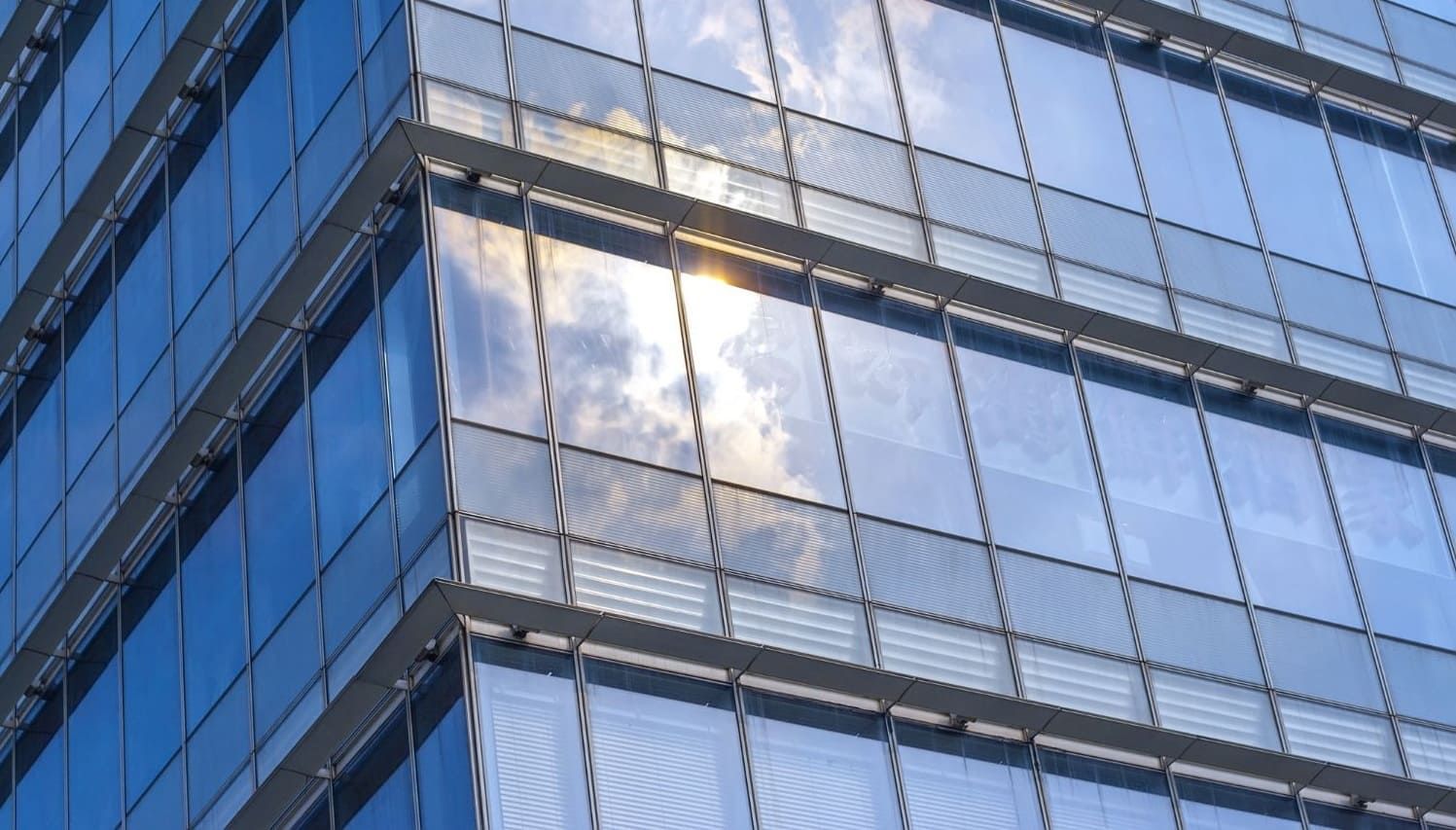
In addition, it can improve the way a building looks from the street. Film creates consistency across windows, from front offices to second-floor rooms. That kind of visual balance often makes a place look newer or better maintained, even if nothing else changes inside.
Long-Term Comfort and Energy Benefits
Short-term relief is nice, but the real gain from window film comes from how well it manages energy into spring and summer. Instead of AC systems working overtime once the outside temperature rises, buildings with tinted glass stay cooler naturally.
With commercial window film installation in place, we have seen how businesses:
- Use less heating and cooling throughout the day
- Keep workstations and waiting areas more consistent in temperature
- Cut glare without blocking the light people want during daytime hours
This setup usually requires little disruption. The film goes on fast, sticks tight, and works in the background without extra maintenance. From that point forward, the light that enters your building just works better for the people inside it, warm, natural, but not overwhelming.
Once the days start getting longer, that dynamic becomes even more obvious. Having this in place before the season shifts means fewer surprises as spring settles in.
A Smarter Setup Before Spring Hits
Making changes now, while the weather is still bouncing between cold mornings and warm afternoons, sets your building up for a better spring. Early upgrades often lead to longer stretches of comfort later, especially in buildings that already lean on windows for their light and presentation.
Late February offers a really solid window to reassess how sunlight affects your workspaces. If there are spots where staff squint to see a screen or adjust blinds all day long, there is likely a better fix.
By managing heat and glare now, your building’s interior stays steadier when warm weather becomes the norm. It saves energy, protects the space, and helps people stay focused, not frustrated by uneven lighting or temperature swings.
It is a small move that pays off in both comfort and appearance through the seasons ahead.
As spring approaches, now is the perfect time to reassess how your building handles sunlight and indoor comfort while taking a closer look at your glass surfaces. We help businesses create steadier, more comfortable environments with thoughtful upgrades that support both efficiency and appearance. One way we do that is through commercial window film installation, which can make a big difference in how your space feels day to day. At
Solarworks Glass Tinting, we understand the unique lighting challenges buildings face in North Metro Atlanta and encourage you to take the next step in smoothing out temperature swings and reducing glare by
contacting us today.