Tips for Using Solar Film to Reduce Cold Drafts
Cold air tends to find its way into a home during winter, especially if your windows aren’t doing a great job keeping the warmth in. This is something many people notice when the temperatures drop in January and rooms that normally feel fine suddenly become chilly and uncomfortable. A lot of this can be traced back to window drafts that sneak in along the edges or through single-pane glass.
One way to ease this problem is through
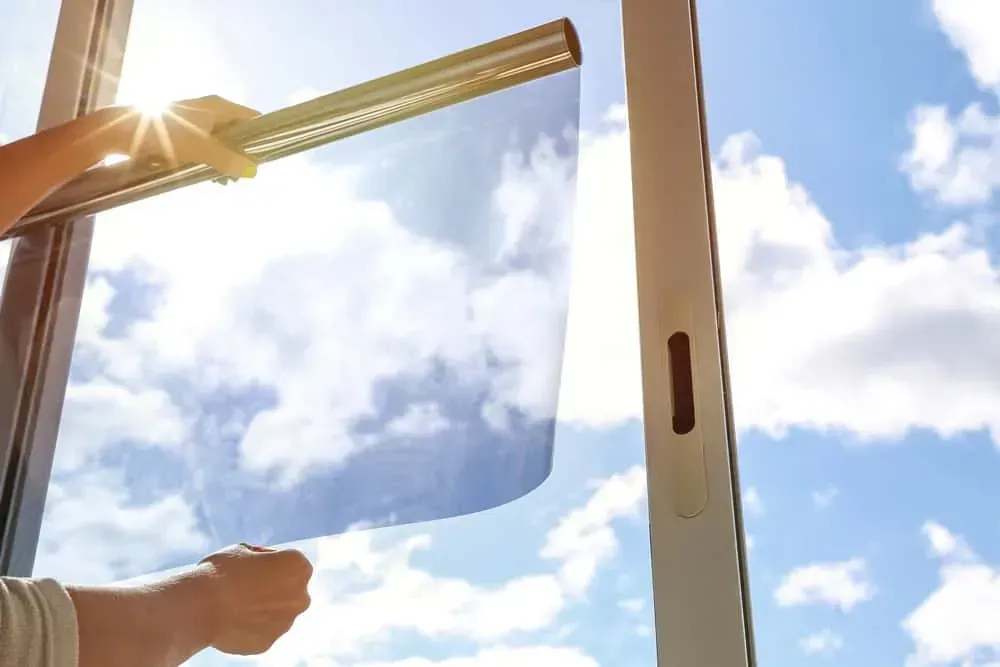
solar window film installation. While it is often seen as a way to block heat in the summer, it can help during colder months by reducing heat loss through the glass. The benefit is that you can stay warm without shutting out the natural light, which can be a big deal when the days are shorter. Let’s look at why drafts happen, what solar film can do, and where it works best around the house.
How Cold Drafts Sneak Into Your Home
Cold outside air does not need much of an opening to get indoors. In many cases, it enters near older window frames or through the glass itself if it is not insulated well. Even when the windows are shut, certain types of glass do not offer much resistance to heat moving back and forth. That means warm air from your central heating can easily escape, while cold air comes in and stays around.
In
Roswell and much of North Metro Atlanta, January often brings damp, cool winds that make this problem worse. It does not take freezing weather for rooms to feel uncomfortable. Drafty windows can make it feel like the heat is never quite enough, especially in bedrooms or living rooms with big glass areas. It is not just a comfort issue. Drafts can upset thermostat levels, making it harder to keep the whole house comfortable without running the heat continuously.
How Solar Film Helps Keep Warmth Inside
What surprises many people is that solar window film is not just for summer. It plays a quiet but helpful role in winter too. It acts as an extra shield for your glass. Once it is applied, the film helps lower the amount of heat that escapes while still letting natural light pass through. Our
residential window films can lower your energy costs by up to 15 percent and can eliminate hot and cold spots, which is especially helpful in rooms that tend to feel drafty in winter.
During the daytime, the sun warms the home, especially if your windows face south or west. Solar film holds some of that warmth inside longer by making the surface of the glass better at trapping heat. It does not block your view or reflect light in a harsh way. Unlike adding thick curtains, it does not weigh down the room visually or trap in stale indoor air. You still get airflow, sunlight, and visibility, but with less of that chilled edge that makes rooms feel drafty.
Where to Install Film for Best Results
For the biggest improvement, it makes sense to focus on spots that feel the coldest or seem to be losing the most warmth. We often recommend looking at:
• Living rooms or family spaces with large windows
• Bedrooms facing the north or shaded areas that never get much sunshine
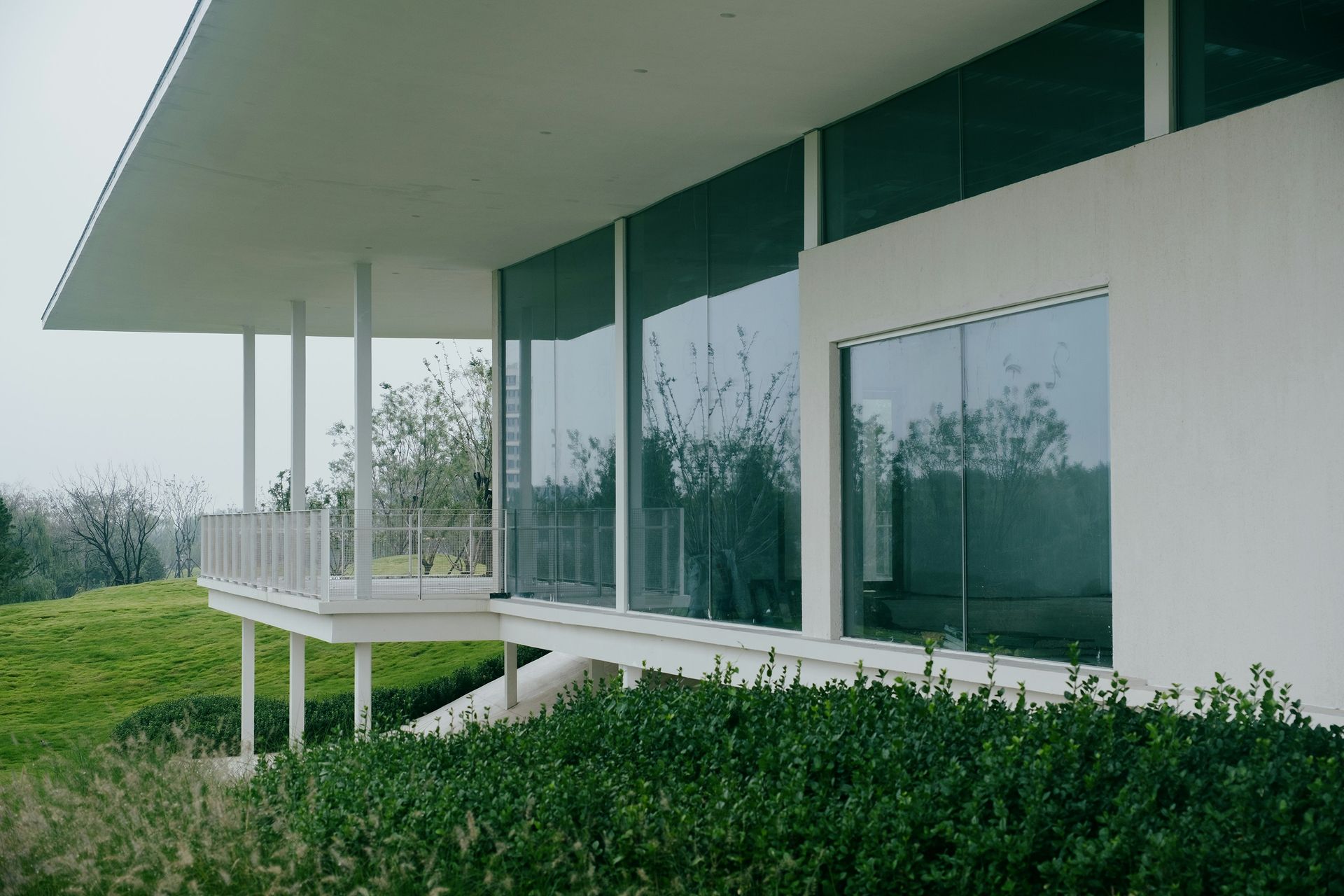
• Glass doors or bay windows that cover a lot of surface area
Rooms with a lot of glass will benefit more than smaller windows because that is where heat moves quickly in and out. If you feel like one side of your house is always colder than the rest, especially at night, those windows are likely good candidates for a better barrier. A proper solar window film installation can help make those areas feel stable and comfortable, even when it is chilly outside.
What Makes Film Installation Different in Winter
Unlike other home improvement projects, solar film does not require messy construction, and that makes it a smart winter fix. The results become noticeable right away. When heat loss slows down, the air inside feels more even. With low-e options such as EnerLogic film, we can add up to 92 percent more insulation power to your existing window glass, so you feel that improvement more quickly.
January and February are good months because they come before the wave of spring appointments. It can be easier to get things scheduled and handled on your terms. When you are already dealing with cold drafts, the timing feels more pressing. It is not just about preparing for next season, it is about improving how your home feels now.
Better Comfort Without Blocking the View
One of the main reasons people
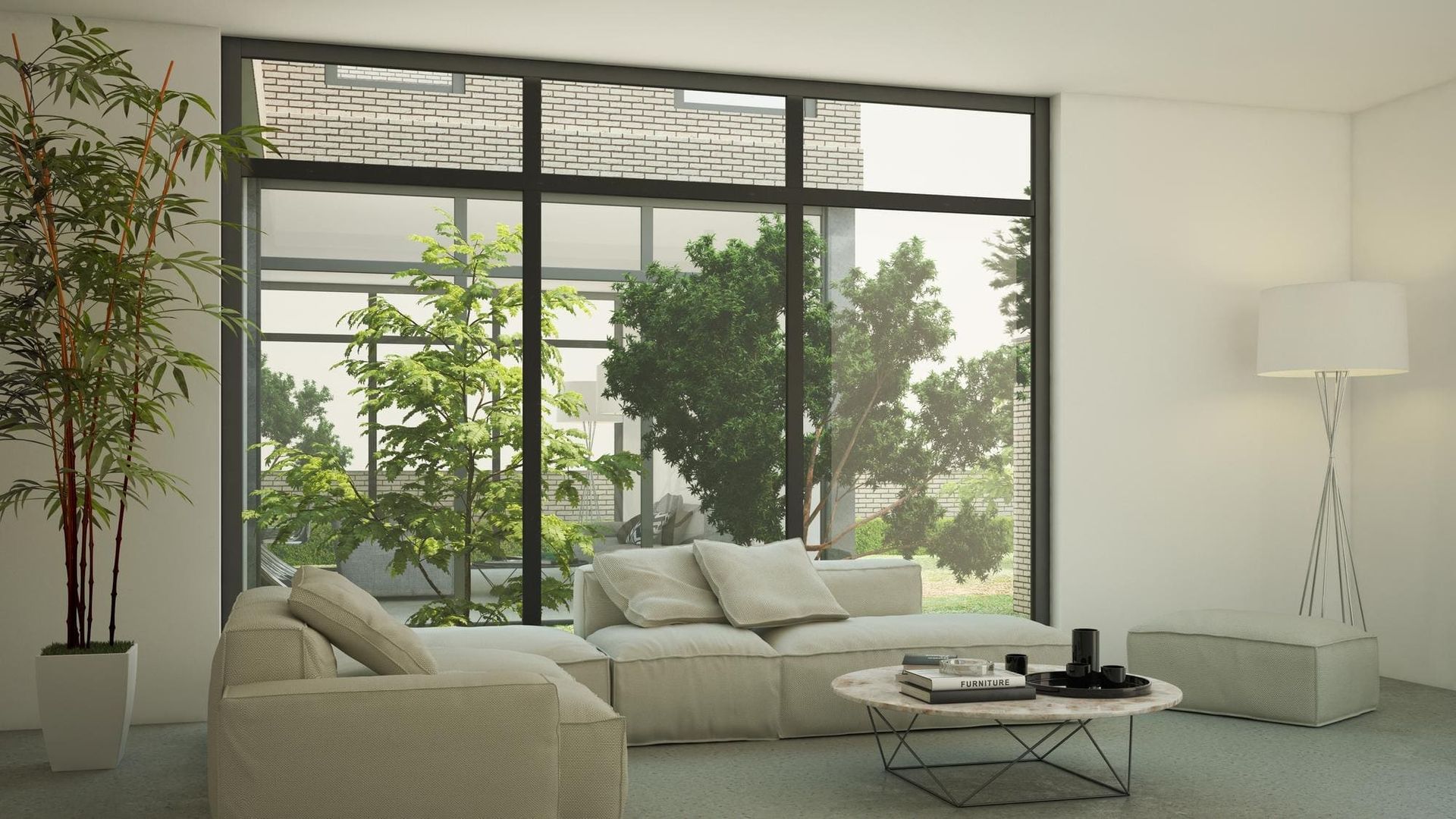
choose solar film is that it does not get in the way. You do not have to give up a view or close things off with blinds. The glass stays usable, open, and bright. This is helpful in winter when sunlight is welcome during the day. Natural light helps rooms feel warmer and brighter, keeping spirits up on short or cloudy days.
Here is why that matters:
• You do not have to keep curtains closed just to stay warm
• Light keeps flowing in, which helps with mood in cooler months
• The home still feels airy and open, not boxed-in
It is a simple way to fix a draft problem without turning your living room into a closed-off space.
Create a Cozier Home with Less Effort
Drafts are more than just a seasonal nuisance. They unsettle the feel of your home and make it harder to stay comfortable without turning up the heat again and again. If your windows are not doing much to hold in the warmth, solar film gives you a simple way to make them work harder, especially during colder months.
It is a low-maintenance update that does not get in the way of your routines. There is no major change in the look or feel of your space. Just better light during the day and less cold air coming in where it does not belong. When the weather turns colder, small improvements like this help your home feel just right.
Experiencing cold drafts through your windows this winter signals it may be time to try a simple fix that preserves your view and keeps your rooms bright. At
Solarworks Glass Tinting, we have helped many Georgia homeowners make their spaces warmer by adding the right protection where it counts. A well-timed solar window film installation can reduce heat loss and create a balanced atmosphere from room to room. Give us a call to get started.