How to Choose Privacy Window Film for Atlanta Homes: Sun, Night, and HOA Rules
Enjoy Privacy and Comfort in Every Atlanta Season
Strong sun, close neighbors, and strict HOA rules can make your windows feel like a problem, not a feature. Many Atlanta homes get intense glare and heat, but heavy curtains make rooms feel closed in and dark. It can be hard to enjoy your view and natural light while still feeling comfortable and private.
Privacy window film can solve several of these issues at once. The right film can cut heat, reduce glare, protect your furniture from UV rays, and give you daytime privacy without needing to keep blinds shut all day. But in our climate, with different sun angles and lots of HOA communities, one type of film is rarely right for every window.
In this guide, we will walk through how to choose privacy window film based on three big factors: sun exposure, what you expect at night, and HOA rules. As a local installer serving Roswell and the North Metro Atlanta area, we want to share what actually works in real homes here, not just on paper.
Know Your Sun Exposure Before You Pick a Film
Not all windows see the same sun. In Atlanta, the direction your glass faces has a big impact on how your home feels, especially in late summer when the sun is still strong.
Here is a simple way to think about it:
- South-facing windows, strong sun and steady heat most of the day
- West-facing windows, harsh late afternoon sun and glare
- East-facing windows, bright mornings, softer afternoon light
- North-facing windows, low direct sun, mostly cooler light
South- and west-facing glass often need higher heat-rejecting privacy film. These films:
- Cut heat so your AC does not have to work as hard
- Reduce glare on TVs and screens
- Help protect flooring, furniture, and artwork from fading
- Still allow natural light, so the room does not feel like a cave
On east- and north-facing windows, going too dark can backfire. Those rooms already get less intense light, especially in cooler months. A very dark film can make spaces feel gloomy and closed off. Lighter or more neutral films usually work better here, balancing comfort with a bright, open feel.
Professional installers can measure the light coming through your glass and talk with you about how each room feels during the day. That helps match each side of the home with a film that has the right visible light transmission level, instead of guessing and hoping for the best.
Daytime Privacy vs. Nighttime Reality
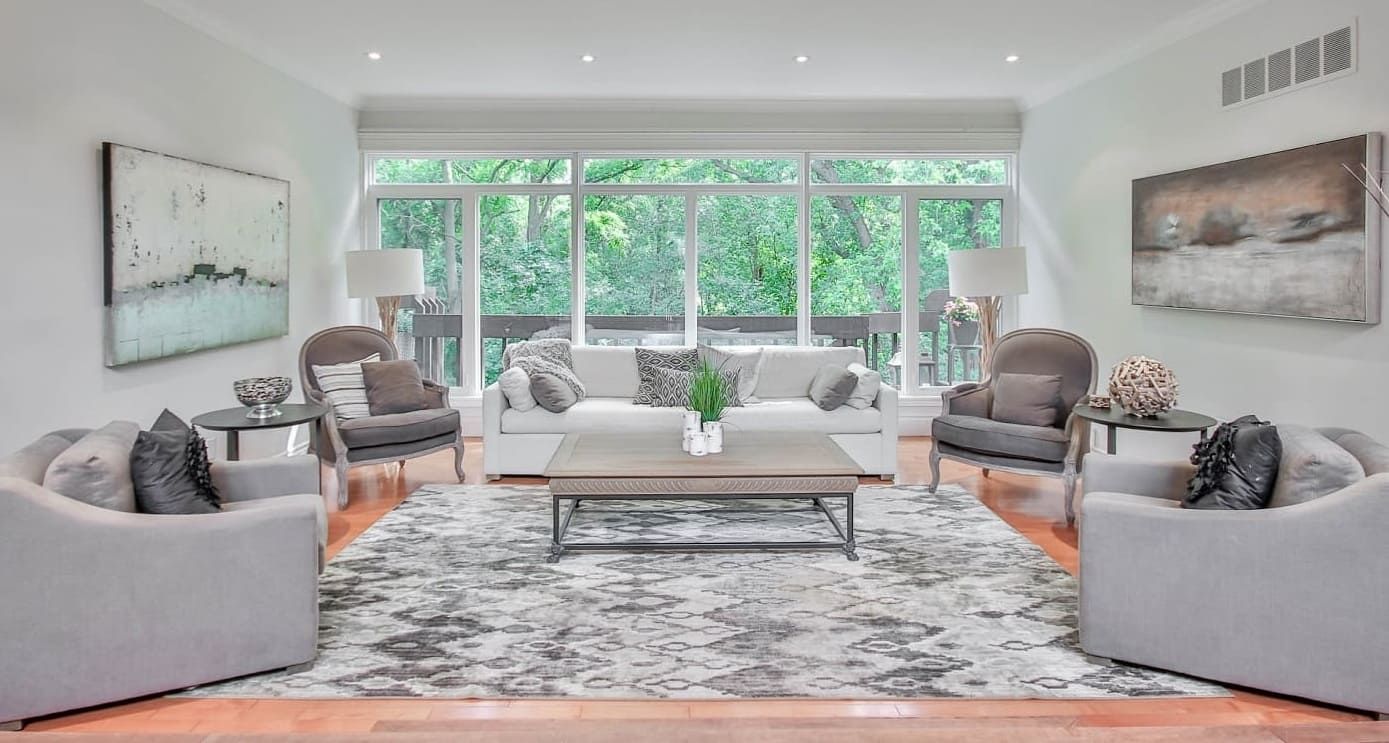
Reflective privacy window film is popular because it works well during the day. When the light outside is brighter than inside, the film reflects that outdoor light. From the street, people mostly see a soft reflection. From inside, you can still look out and enjoy the view.
At night, the situation flips. When it is dark outside and your interior lights are on, your windows can act like a display. With most solar control privacy films, anyone outside can see in more clearly unless you close blinds or curtains. It is important to know this so you are not surprised later.
Different types of films handle this balance in different ways:
- Reflective or mirrored films, strong daytime privacy and heat rejection, but the most reflection on the exterior
- Neutral or dual-reflective films, more natural look from inside, softer reflection from the outside, still good for privacy during the day
- Decorative and frosted films, block views both ways, great where you need privacy 24/7
A room-by-room plan usually works best:
- Living rooms and front-facing windows, many homeowners pick more reflective or dual-reflective films to help with street views and afternoon sun
- Bathrooms, sidelights, and street-level glass often get frosted or patterned films, since full-time privacy matters more than seeing out
- Bedrooms may benefit from softer, neutral films paired with shades, so you get daytime comfort and better nighttime privacy
Talking through how you use each space, and what you expect when lights are on at night, makes a big difference in choosing the right style.
Working with HOA Rules Without Losing Style
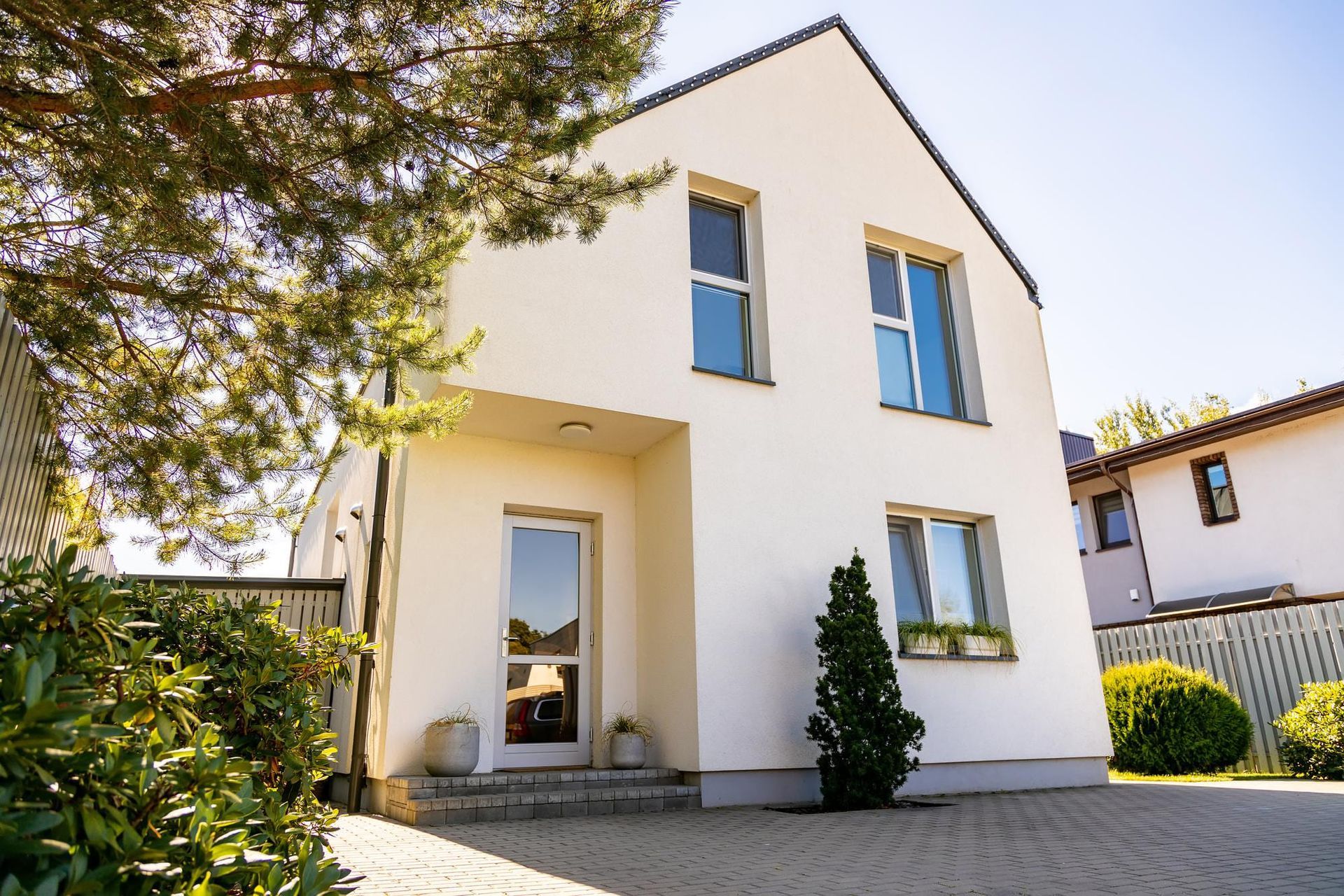
Many Atlanta neighborhoods have HOA rules that affect what you can do with your windows. These rules often cover the exterior appearance of your home.
Common HOA concerns include:
- No highly mirrored or shiny windows
- Limits on how dark the glass can appear from the street
- Only certain tint colors allowed, often neutral or gray
- Avoiding visible lines or patchy areas where film stops and starts
The good news is that there are privacy window film options that stay subtle while still improving comfort. These films often have:
- Neutral tones that blend with most home styles
- Low to moderate exterior reflectivity
- Natural-looking color that does not draw attention
Before picking a film, it helps to:
- Review your HOA covenants and design guidelines
- Note which windows are clearly visible from common areas or streets
- Gather film samples or photos that show how the glass will look from outside
- Get manufacturer details like color, reflectivity, and light levels if your HOA asks for them
Working with an installer that already knows many Roswell and North Metro Atlanta communities can make this easier. They can suggest products that have been accepted in similar neighborhoods and help you avoid choices that may lead to complaints or required removal.
Matching Film Types to Atlanta Home Lifestyles
Privacy window film is not just about how your glass looks. It should also match how you live in your space.
Homeowners usually look at a few main categories:
- Solar control privacy films to reduce heat, glare, and UV rays while adding daytime privacy
- Decorative and frosted films for bathrooms, front doors, and interior glass where you want style and privacy
- Dual-purpose films that give a mix of energy savings, UV protection, and moderate privacy
Lifestyle factors to think about include:
- Working from home, you may need strong glare control on computer screens without feeling like you are sitting in the dark all day
- Kids and pets, some films can help hold glass together if it breaks, which can be helpful with rough play or active households
- Protecting furnishings, flooring, and art, many films block most UV light, helping slow fading without requiring very dark glass
Quality and proper installation matter, especially in Atlanta heat and humidity. Films need to be compatible with your existing glass type to help avoid issues like seal failure on insulated windows or conflicts with current glass warranties. A professional installer can look at your windows, ask about your goals, and recommend films that fit both your home and your routine.
Plan Your Privacy Film Upgrade Before Next Summer
Late summer and fall are smart times to look at privacy window film. You still remember how hot and bright certain rooms felt, but you also want your space to feel cozy as the weather cools. Getting film in place before the next warm season lets you enjoy comfort year-round instead of scrambling during the first heat wave.
A simple way to start is with a quick home review:
- Walk around your home at different times of day and note where glare, hot spots, or privacy worries show up
- Make a list of any windows your HOA can see from the street or common areas that may need more subtle film choices
- Decide which spots need full-time privacy like bathrooms or sidelights, and which rooms need a blend of views and privacy like living areas and bedrooms
From there, an in-home visit from a professional installer like Solarworks Glass Tinting can bring everything together. You can see film samples on your glass, talk through sun exposure and nighttime expectations, and build a room-by-room plan that works with your HOA rules and your daily life.
Get Started With Your Project Today
If you are ready to add comfort and privacy to your home, our team at
Solarworks Glass Tinting is here to help you choose the right
privacy window film for your space. We will walk you through options, explain the installation process, and answer any questions so you can feel confident in your decision. Reach out today to
schedule a consultation or request a quote through our
contact page.