When Safety Window Film Installation Makes Sense for Atlanta Homes
Protect Your Atlanta Home From the Unexpected
Glass makes our homes feel open and bright, but it is also one of the weakest spots in the house. All it takes is a pop-up thunderstorm, a stray baseball from the backyard, or someone testing a locked window for things to go wrong fast. Broken glass can spread across a room in sharp, dangerous pieces in just a second.
Safety window film installation adds an extra layer to that glass. It acts like an invisible shield that helps hold broken pieces together so they do not fly across your floors. You still get natural light and clear views, but you add a layer of protection between your family and broken glass. In this article, we will walk through how safety film works, when it makes sense for Atlanta homes, and what to think about if you are ready to upgrade your windows.
How Safety Window Film Actually Works
Safety window film is a clear, strong polyester material that bonds to the inside surface of your glass. During safety window film installation, a trained installer carefully fits the film to your window, then uses a special solution and tools to remove air and lock it to the glass. Once it dries, it becomes one solid unit with the window.
Here is what safety film does:
- Helps keep glass pieces together if a window breaks
- Reduces the chance of sharp shards spreading across floors and furniture
- Holds cracked glass in the frame long enough to clean up safely
- Adds a small delay for forced entry or heavy impact
It is also helpful to be clear on what it does not do:
- It does not turn your windows into unbreakable walls
- It does not replace the need for strong locks and smart security habits
- It does not fix structural issues with old or damaged window frames
Many safety films are also designed to block heat and glare. That is a big deal in North Metro Atlanta, where long, hot summers can make rooms with a lot of glass almost unusable in the afternoon. With the right product, you can get both impact protection and solar control in one step.
When Atlanta Homes Benefit Most From Safety Film
Not every window in a home has the same risk. Some glass areas see more activity, more exposure to the elements, or more foot traffic. These spots are often smart places to consider safety window film installation.
Common high-risk glass areas include:
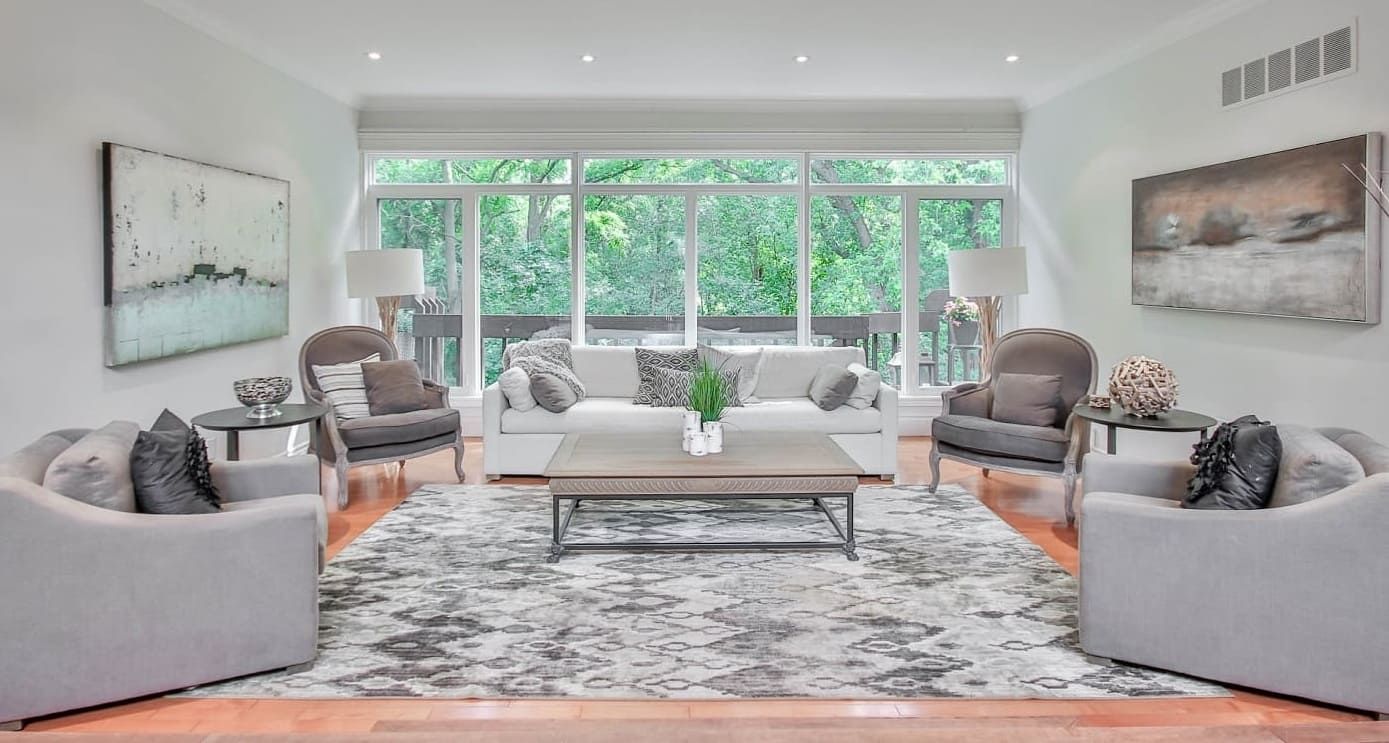
- Large picture windows that face yards, woods, or golf courses
- Sliding glass doors leading to decks, patios, and pools
- Sidelights and glass panels near front and back doors
- Low windows along driveways, walkways, or play areas
Atlanta homeowners also deal with some very specific day-to-day situations. Stormy afternoons can send tree branches and loose yard items toward your windows with little warning. Kids and pets race past glass doors, toss toys, and lean on windows while they watch the street. In golf or tennis communities, balls can occasionally end up where they do not belong, including right into a pane of glass.
Some households have added safety concerns:
- Families with young children still learning to walk around furniture and doors
- Aging parents who might fall near a window or glass door
- Homeowners who travel often and want extra time if someone tries to break in
- Townhome and condo residents with ground-level windows close to sidewalks
For these homes, safety film is less about looks and more about peace of mind.
Storms, Crime, and Heat: Atlanta's Triple Threat
In North Metro Atlanta, weather can shift from calm to rough in minutes. Strong wind, heavy rain, and flying debris put real stress on exposed glass. When a window breaks in a storm, the first danger is loose glass. The second is the opening it creates for wind and rain to rush inside.
Safety film helps hold broken glass in place during those moments. While it will not stop all damage, it can:
- Keep most glass pieces stuck together instead of scattered
- Slow down how quickly outside elements get into the room
- Make cleanup safer once the weather passes
Crime is another concern for many neighborhoods. A typical forced entry at a window or glass door starts with someone trying to break the glass fast, reach in, and unlock the door. Safety film makes that quick break-in harder. The glass may crack, but the film helps keep it from falling out in one hit, which can discourage an intruder and give anyone inside more time to respond.
Heat and sun are the third big issue. When you choose a safety film that also blocks heat and UV rays, you can:
- Lower glare on TVs and devices
- Help slow fading on floors, rugs, and furniture
- Make rooms with a lot of glass feel more comfortable in the afternoon
You get comfort, protection, and a cleaner look from the outside, all in one product choice.
Choosing the Right Safety Film for Your Windows
Not all safety films are built the same. The best choice depends on your goals, your glass, and where you live in the house.
You will usually see three broad levels of performance:
- Basic safety film that focuses on holding glass together after accidental breakage
- Thicker security film aimed at resisting heavier impacts and forced entry attempts
- Combination films that add heat and UV control to safety and security features
The glass you already have matters too. Tempered, laminated, and standard annealed glass all behave differently when broken. Window size, existing tint or coatings, and local building codes also play a role. A professional assessment is the safest way to make sure the film you choose works properly with your windows and keeps any manufacturer warranties in good shape.
The typical professional installation process includes:
- In-home review of your windows, doors, and goals
- Help choosing film options for safety, security, and solar performance
- Careful cleaning and prep of the glass
- Measuring, cutting, and applying the film to fit each pane
- Squeegeeing out solution and air so the film lays flat and clear
Dry time can vary, but most films cure over days or weeks. During that time, you might see a slight haze or tiny moisture pockets that clear as the film bonds to the glass.
Signs It's Time to Upgrade Your Home's Glass Protection
Sometimes homeowners are not sure when to act. A few clear signs can tell you that it may be time to look at safety window film installation.
Common triggers include:
- A recent remodel that added bigger windows or more glass doors
- Turning a sunny room with large windows into a nursery or playroom
- Building a home gym with mirrors and glass doors
- A close call where a ball, branch, or object hit a window and cracked it
Security can be another push. If you notice more crime reports in your area, add new electronics or collectibles, or start spending more nights away from home, it makes sense to think about harder-to-penetrate glass.
You might also spot old, failing tint on your doors or windows. Signs include:
- Purple or faded color instead of a neutral tone
- Bubbles, peeling corners, or a wavy look in the glass
- Scratchy or rough film surface
Modern safety and security films offer a cleaner, clearer look with better performance. Replacing old film with newer options can improve both protection and appearance in one step.
Protect Your Home With Professional Safety Window Film Installation
If you are ready to improve security and peace of mind, our team at
Solarworks Glass Tinting is here to help with expert
safety window film installation. We carefully assess your windows and recommend the best films to help protect against break-ins, accidents, and storm damage. Reach out today so we can discuss your goals, answer your questions, and provide a clear estimate. If you are ready to move forward or need more information, simply
contact us to
schedule a consultation.